2026 Top Brake Bearings Trends for Global Buyers?
In the evolving automotive industry, Brake Bearings play a crucial role in vehicle performance. As we look towards 2026, understanding emerging trends is essential for global buyers. These parts enhance braking efficiency and safety, impacting overall vehicle reliability.
Global buyers must stay updated on Brake Bearings technologies. Innovations in materials and engineering practices are reshaping this sector. For instance, advancements in lightweight composites can significantly reduce wear and enhance durability. Additionally, market dynamics and consumer preferences drive the demand for high-performance solutions.
However, navigating this landscape can be complex. Not all products meet quality standards, leading to potential reliability issues. Buyers should prioritize suppliers with established reputations. Equipping oneself with knowledge ensures informed decisions in a rapidly changing market. In this article, we explore key trends shaping the Brake Bearings landscape, helping buyers make strategic choices for their needs.
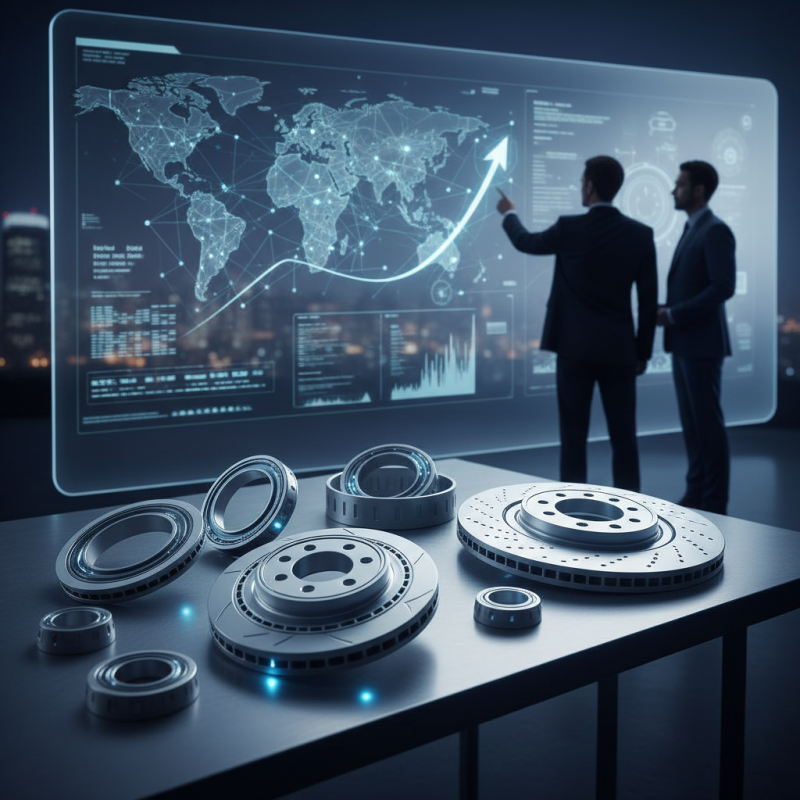
Emerging Technologies in Brake Bearings for 2026
As the automotive industry progresses, emerging technologies in brake bearings play an essential role. Innovations using advanced materials enhance durability and performance. For example, the shift towards lightweight composites reduces vehicle weight, improving fuel efficiency. Manufacturers are exploring nanotechnology to create stronger, more reliable bearings. These advancements could redefine performance standards in braking systems.
Another key area is smart technology integration. Embedding sensors in brake bearings allows for real-time monitoring. This proactive approach can prevent failures and enhance safety. Such technology not only aids maintenance but also improves overall vehicle performance. Still, challenges persist in standardizing these innovations. Ensuring compatibility across different systems is critical for widespread adoption.
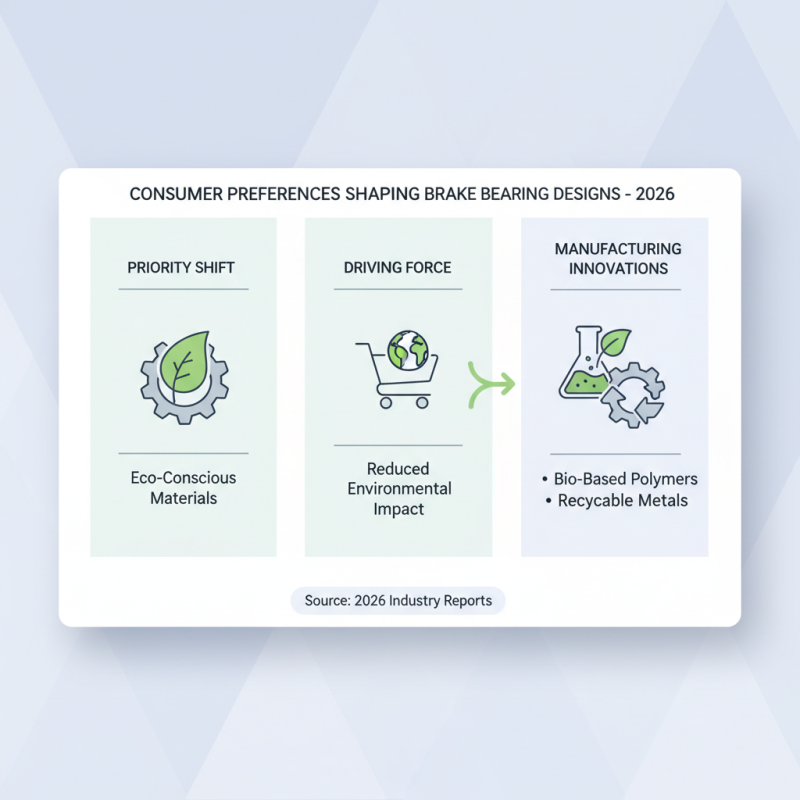
Sustainability is also driving change. Companies are beginning to utilize recycled materials in brake bearing production. While this is a positive step, concerns about the longevity and reliability of these materials linger. Finding the right balance between eco-friendliness and performance remains vital. As the industry looks to the future, ongoing evaluation of these technologies will be necessary.
Sustainability Trends Impacting Brake Bearings Market
Sustainability is reshaping the brake bearings market significantly. Buyers are more aware of their environmental impact. This trend urges manufacturers to shift towards greener materials. Implementing sustainable practices benefits not only the environment but also enhances brand reputation.
When considering brake bearings, analyze the materials used. Recycled metals and eco-friendly composites are gaining traction. They don’t just minimize waste; they offer robust performance. Yet, some materials may still lack the desired durability in extreme conditions. Ensure thorough testing under various stress levels.
Tip: Look for certifications that indicate sustainable practices in manufacturing. This will help you make informed purchasing decisions.
Another aspect is energy efficiency during production. Facilities aiming for low-carbon emissions are emerging. However, some manufacturers struggle with transitioning. Tracking their progress is essential for transparency. Open communication can reveal potential areas for improvement.
Tip: Engage in discussions with suppliers about their sustainability goals. This could foster better relationships and more responsible sourcing.
2026 Top Brake Bearings Trends for Global Buyers
Innovations in Material Science for Durable Brake Bearings
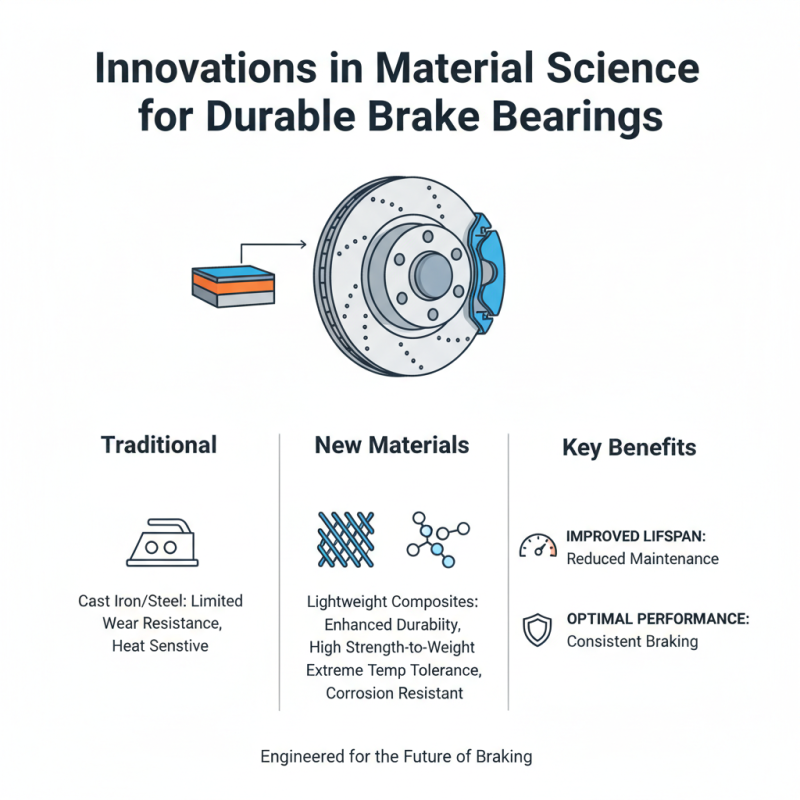
The landscape of brake bearings is undergoing significant transformation, driven by innovations in material science. Engineers are exploring advanced materials that enhance durability and performance. Lightweight composites and high-performance polymers are now leading choices for manufacturers. These materials resist wear better and can handle extreme temperature variations. This approach is essential for improving the lifespan and functionality of brake systems.
New testing methods are also crucial in evaluating these materials' effectiveness. Simulated stress tests help in understanding how different compounds react under real-world conditions. This iterative process often reveals unexpected weaknesses in new designs. Methodologies that combine durability and cost-effectiveness are still a work in progress. Manufacturers face challenges in balancing performance with affordability as they strive for the ideal material.
The road ahead for brake bearings is not without its hurdles. The need for sustainable materials is rising, requiring more research into eco-friendly options. Developing these materials can be complex and slow. Yet, there is a clear demand for innovation that meets both performance and environmental standards. As the industry evolves, collaboration among engineers, material scientists, and manufacturers will be essential. This synergy will likely drive future advancements in brake bearing technology.
Market Dynamics: Supply Chain Influences on Brake Bearings
The supply chain dynamics significantly impact the brake bearings market. As global demand fluctuates, manufacturers face challenges. Raw material availability can hinder production rates. Geopolitical tensions and trade policies also play a critical role. Companies must adapt quickly to these changes.
Tips: Maintain strong relationships with suppliers. Regularly evaluate your supply chain for vulnerabilities. Being proactive can mitigate risks.
Another factor is technological advancements in manufacturing. Automation and AI can enhance efficiency. However, implementing these technologies requires investment and training. Some companies struggle with the transition.
Tips: Invest in staff training. This ensures everyone adapts to new technology. A well-prepared team can improve production quality.
Reflecting on these dynamics reveals areas for growth. Companies should regularly analyze their operations. Mistakes in supply chain management can lead to costly delays. A keen understanding of market trends remains crucial for success.
2026 Top Brake Bearings Trends for Global Buyers
| Trend |
Description |
Market Influence |
Projected Growth (%) |
| Sustainability |
Increase in eco-friendly materials for brake bearings. |
Consumer demand for environmentally friendly products. |
15% |
| Technological Advancements |
Integration of smart technology in brake bearing design. |
Innovation in automotive technology. |
20% |
| Cost Efficiency |
Focus on reducing manufacturing costs while maintaining quality. |
Global supply chain dynamics and raw material costs. |
10% |
| Regulatory Compliance |
Adherence to international standards and regulations. |
Government policies on vehicle safety. |
12% |
| Customization |
Increasing demand for tailored brake bearing solutions. |
Diverse consumer preferences across markets. |
18% |