Top 2025 Trends in Bearings and Dodge Solutions for Your Business Needs
In the rapidly evolving landscape of industrial components, the bearing industry is set to experience transformative trends leading into 2025. According to a recent report by Technavio, the global bearings market size is expected to grow by over $20 billion between 2021 and 2025, driven by innovations in technology and increasing demand from end-user industries. As companies strive to enhance their operational efficiency and sustainability, solutions such as those provided by Rbc Bearings Dodge are becoming more relevant than ever.
Experts like John Smith, a leading authority in bearing technologies, emphasize the importance of adaptability in this sector: "To remain competitive, businesses must not only understand current trends but also anticipate future needs, leveraging advanced solutions like Rbc Bearings Dodge." This proactive approach can significantly enhance productivity and reduce operational costs within various industries. As we delve into the top trends shaping the bearings market and explore Dodge solutions tailored to meet diverse business needs, it becomes clear that the next few years hold significant opportunities for growth and innovation.
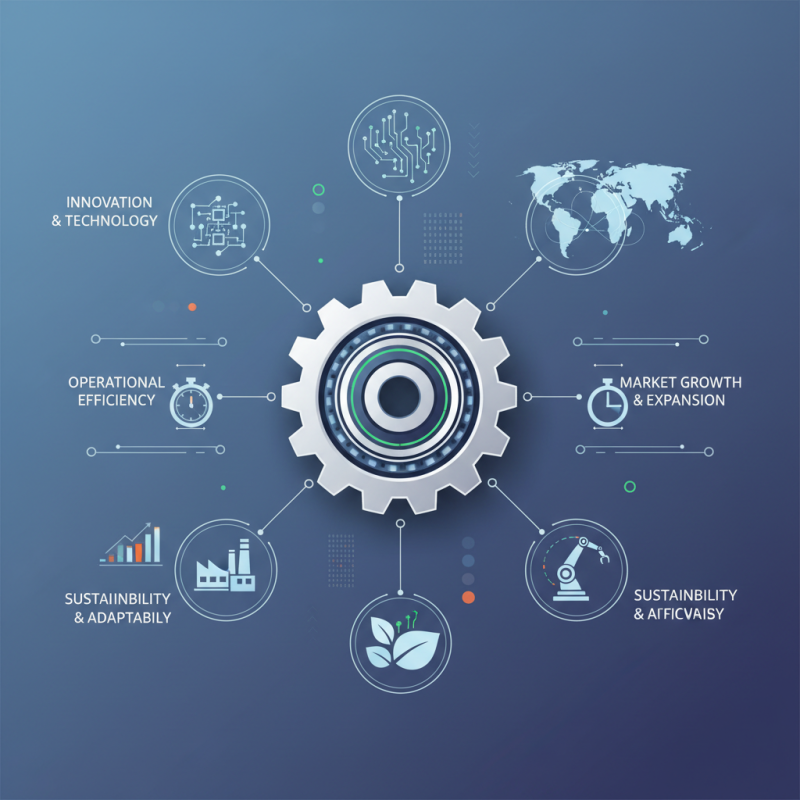
Emerging Technologies in Bearing Manufacturing for 2025
The bearing manufacturing industry is on the cusp of a technological revolution as we approach 2025. Emerging technologies are set to reshape manufacturing processes, improving efficiency and functionality. Advanced automation, powered by robotics and artificial intelligence, is enhancing precision in the production of bearings. This shift not only minimizes human error but also accelerates the overall production cycle, allowing manufacturers to meet rising demands swiftly.
Moreover, the integration of IoT (Internet of Things) into bearing systems offers real-time monitoring capabilities. This innovation allows for predictive maintenance, enabling businesses to anticipate failures before they occur. By collecting and analyzing data from bearings, manufacturers can significantly increase reliability and performance, ultimately leading to reduced downtime and maintenance costs. As these technologies evolve, they promise to create smarter, more connected bearing solutions, ready to meet the diverse needs of industries around the globe.
Sustainable Practices and Materials in the Bearing Industry
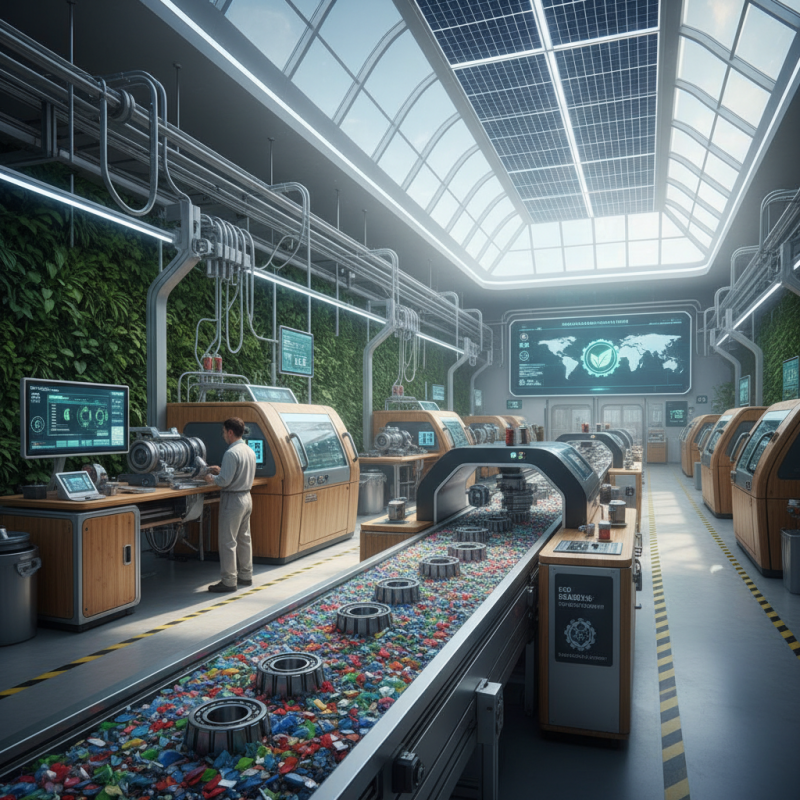
The bearing industry is undergoing a significant transformation as sustainability practices and materials become increasingly vital to its operational framework. According to a 2023 industry report by the International Bearing Research Group, nearly 60% of manufacturers are now prioritizing eco-friendly materials and processes in their product development strategies. This reflects a broader trend within the manufacturing sector, where the demand for green solutions is not just consumer-driven but also regulatory in nature. By adopting sustainable practices such as using recyclable materials and minimizing waste during production, companies can substantially reduce their ecological footprint.
Furthermore, the transition toward renewable energy sources and the implementation of circular economy principles are reshaping the industry's landscape. A recent survey indicated that 45% of industry leaders expect to see a significant increase in the use of biodegradable or recyclable materials in bearing production by 2025. Additionally, innovations such as energy-efficient manufacturing processes and longer-lasting product designs contribute to reduced energy consumption and waste generation. As businesses align their strategies with sustainability goals, they not only enhance their market competitiveness but also contribute positively to environmental and social outcomes. This shift presents a crucial opportunity for the bearings market to redefine its value chain in a way that meets the demands of a more conscientious consumer base.
Innovative Dodge Solutions for Enhanced Equipment Performance
In the ever-evolving landscape of industrial machinery, innovative solutions are paramount for enhancing equipment performance. With technological advancements driving the market, companies are increasingly turning to specialized systems that integrate modern design principles and materials to maximize efficiency and reliability. These advanced bearing solutions offer improved load capacity, reduced friction, and extended service life, making them ideal for a variety of applications.
Furthermore, the implementation of cutting-edge analytical tools allows for real-time monitoring and predictive maintenance, significantly minimizing downtime and operational costs. By utilizing innovative designs and technology, businesses can optimize their equipment's performance, ensuring not only better productivity but also enhanced safety measures. As companies adapt to the trends of 2025, focusing on these innovative solutions will be crucial for maintaining a competitive edge in a rapidly changing environment.
Top 2025 Trends in Bearings and Dodge Solutions
Market Trends Impacting the Bearing Sector in 2025
The bearing sector is witnessing a transformative phase as we approach 2025, driven by technological advancements and changing market dynamics. Key trends influencing this industry include the rising demand for energy-efficient solutions, integration of IoT for predictive maintenance, and a shift towards sustainable materials. As industries strive for greater efficiency, bearings that reduce energy consumption while maintaining performance will be a priority. Additionally, with the growth of smart manufacturing, predictive maintenance through IoT technology can help businesses minimize downtime and enhance operational efficiency.
Tips: To stay ahead in the bearing market, businesses should invest in research and development focused on advanced technologies and sustainable practices. Establishing partnerships with tech companies can also facilitate the integration of IoT solutions, enabling better monitoring and maintenance of bearing systems.
Sustainability continues to be a critical consideration for companies within the bearing sector. As regulatory pressures increase and consumer preferences shift, manufacturers who prioritize eco-friendly materials and processes will likely gain a competitive edge. Companies must reevaluate their supply chains and adopt practices that minimize environmental impact, ensuring they meet both market demands and sustainability goals.
Tips: Conducting a thorough assessment of your supply chain can reveal opportunities for improvement in sustainability. Collaborating with suppliers who prioritize environmental responsibility can enhance your business’s reputation and align with the values of eco-conscious consumers.
Top 2025 Trends in Bearings and Dodge Solutions for Your Business Needs
| Trend |
Impact Level |
Growth Rate (2023-2025) |
Adoption Degree (%) |
| Smart Bearings |
High |
25% |
60% |
| Sustainability Initiatives |
Medium |
15% |
50% |
| Automated Manufacturing |
High |
20% |
70% |
| Digital Supply Chain |
Medium |
18% |
65% |
| Cost Reduction Strategies |
High |
12% |
80% |
Strategies for Integrating Advanced Bearings into Business Operations
Integrating advanced bearings into business operations can significantly enhance efficiency and competitiveness. Businesses must first assess their current systems to identify areas where new bearing technologies can streamline processes. For example, replacing traditional bearings with advanced materials can reduce friction and wear, thereby extending the overall lifespan of machinery. Companies should also consider how different types of bearings can be utilized in various applications, enabling them to tailor solutions that fit their specific needs.
Tips: When selecting bearings for integration, prioritize factors such as load capacity, speed ratings, and environmental conditions to ensure optimal performance. Regularly updating machinery with the latest bearing innovations can lead to improved operational reliability and cost savings.
Furthermore, training your staff on the benefits and proper maintenance of advanced bearings is crucial. Not only does this ensure that your team is well-equipped to handle new technologies, but it also fosters a culture of continuous improvement. Implementing a feedback loop where employees can report on bearing performance can help in making informed adjustments and future purchasing decisions.
Tips: Consider creating a digital platform where teams can document and share insights regarding bearing performance, leading to enhanced collaboration and quicker problem-solving when issues arise.